Introduction to Welding for Homeowners in Vaggaville
If you're a homeowner in Vaggaville, CA, looking to undertake some DIY projects around the house, learning the basics of welding can be a valuable skill. Whether you're interested in creating custom metal furniture, repairing metal fixtures, or enhancing your home's aesthetic, understanding welding can open up a world of possibilities. In this guide, we'll provide you with beginner-friendly welding tips and techniques to get started safely and effectively.
Understanding the Basics of Welding
What is Welding?
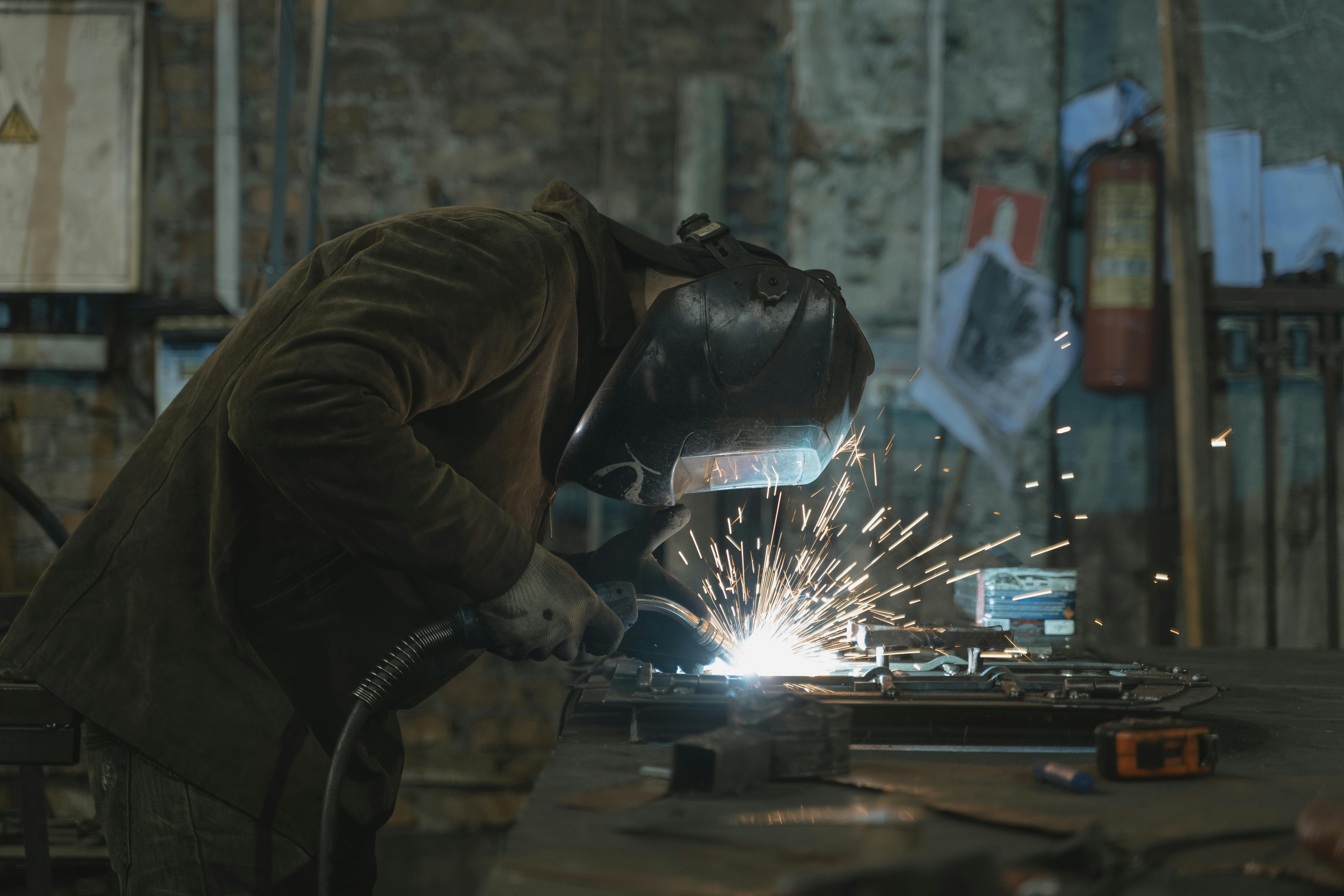
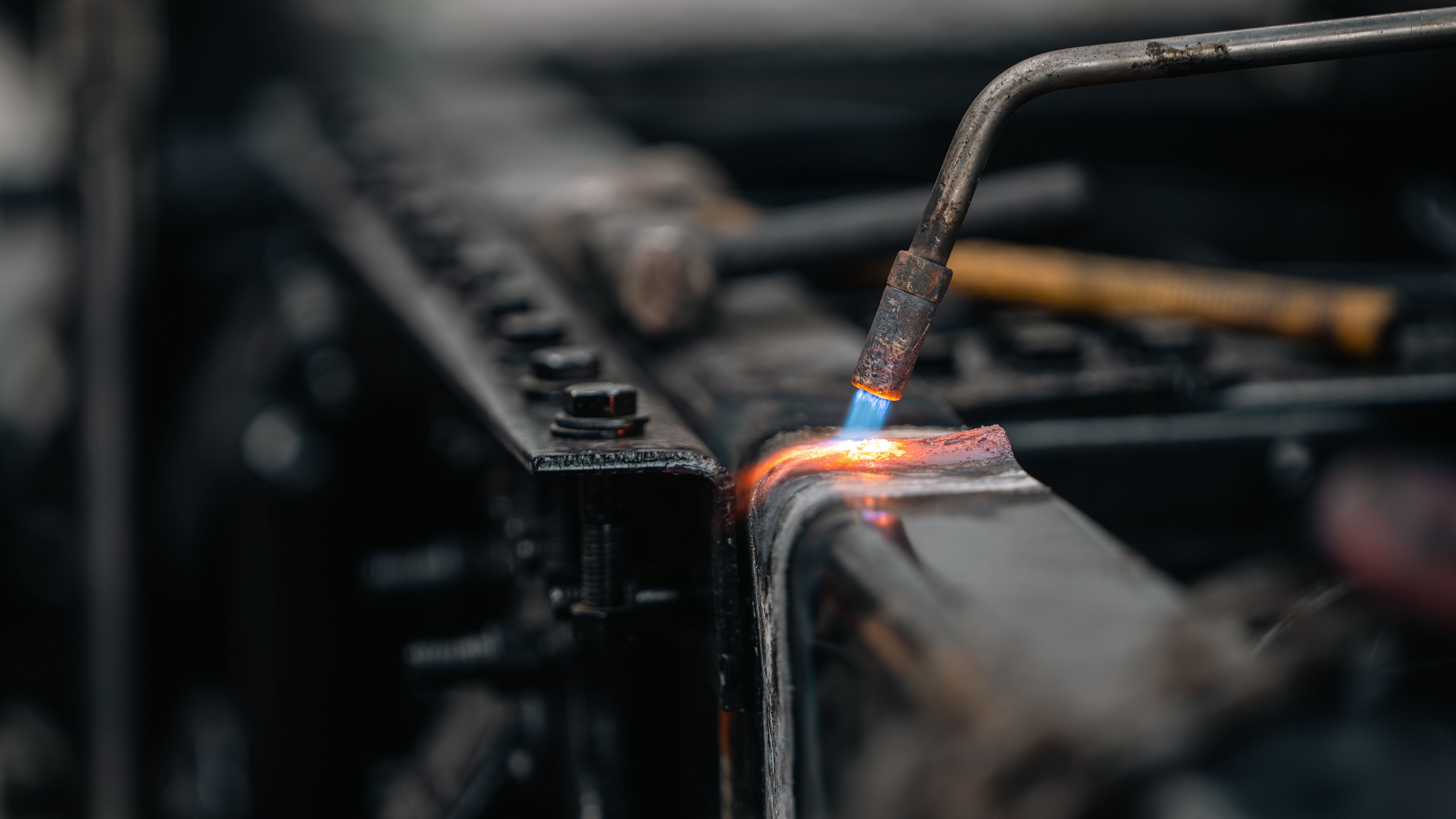
Welding is the process of joining two or more pieces of metal together using heat, pressure, or both. This technique is utilized in various applications, from construction and manufacturing to artistic creations and home repairs.
Common Types of Welding
- MIG Welding (Metal Inert Gas): Ideal for beginners, MIG welding uses a wire electrode and inert gas to create a strong, clean weld.
- TIG Welding (Tungsten Inert Gas): More advanced, TIG welding provides precise control and is suitable for thinner metals and detailed work.
- Stick Welding: Known for its versatility, stick welding is effective for outdoor use and on rusty or dirty metals.
Essential Welding Equipment
Welding Machine
For beginners, a MIG welder is often recommended due to its ease of use and affordability. Ensure you select a machine that fits your project needs and budget.
Safety Gear
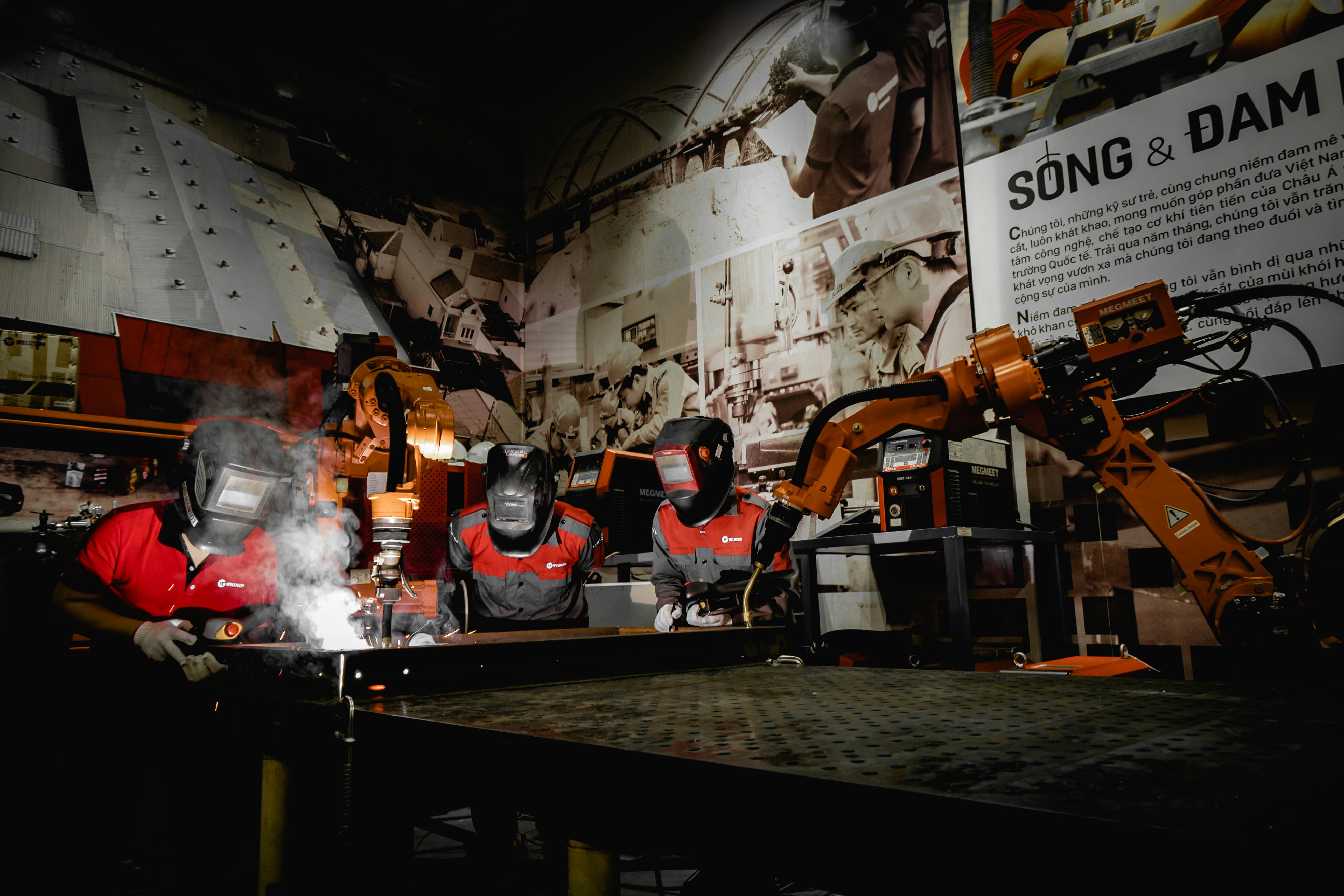
Safety is paramount in welding. Always wear a welding helmet with proper eye protection, fire-resistant clothing, gloves, and boots. Make sure your workspace is well-ventilated to avoid inhaling harmful fumes.
Additional Tools
- Wire brush or grinder for cleaning metal surfaces
- Clamps to hold pieces in place
- Measuring tools for accuracy
Step-by-Step Guide to Your First Welding Project
1. Prepare Your Workspace
Clear your work area of flammable materials and ensure you have adequate ventilation. Set up your welding machine and organize your tools for easy access.
2. Select and Prepare the Metal
Choose a simple project to start, such as a small metal frame. Use a wire brush or grinder to clean the metal surfaces, removing any rust or paint for a clean weld.
3. Set Up the Welding Machine
For MIG welding, install the correct wire and gas for your metal type. Adjust the machine settings based on the material thickness and follow the manufacturer's guidelines.
4. Practice Your Technique
Before starting your project, practice on scrap metal. Focus on maintaining a steady hand and consistent speed to achieve a uniform bead.
5. Execute the Weld
Begin welding your project by tacking the pieces together to hold them in place. Once secure, proceed with welding along the seams, maintaining a steady pace and angle.
Common Challenges and Solutions
Problem: Inconsistent Weld Beads
Solution: Practice maintaining a consistent speed and angle. Adjust your machine settings if necessary to accommodate different metal thicknesses.
Problem: Metal Warping
Solution: Use clamps to secure metal pieces and weld in short sections, allowing the metal to cool between passes.
Enhancing Your Skills and Knowledge
Consider taking a welding class at a local community college or trade school to improve your technique and learn advanced skills. Online tutorials and forums can also provide valuable insights and support.
For homeowners in Vaggaville, Tony's Iron Works offers expert advice and services for those who prefer professional assistance with their welding projects. Whether you're planning a custom piece or need repairs, our team is here to help.
Conclusion
Welding can be a rewarding skill for homeowners looking to tackle DIY projects around the house. With the right equipment, safety precautions, and practice, you can create durable and custom metalworks. As you gain confidence, you may find new ways to enhance your home and personal projects. Remember, Tony's Iron Works is always available to assist with professional welding services in Vaggaville, CA. Happy welding!